
Full Body Red Light Therapy
Feel Better. Look Better. Be Better.
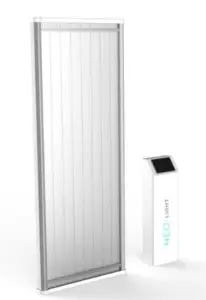
Red Light Therapy in Granbury, TX is the third stage to our Exalt Protocol application at Exalt Recovery & Wellness. This specialized red light treatment works by distributing low levels of red or near-infrared light to the body, focusing directly on targeted skin cells. Unlike ultraviolet light, which can damage the skin, this specific therapeutic light wavelength offers deep cellular benefits.
Not only does it safely penetrate the surface and get absorbed directly by the cells, it actively promotes natural healing and tissue regeneration across the skin. Furthermore, it reaches down into deep tissue layers to accelerate muscle recovery and joint injury repair.
Major Benefits of Red Light Therapy
- Overall Body Healing: Energizes cells to support natural systemic health and recovery.
- Increased Metabolism: Helps cells process energy and nutrients more efficiently.
- Improved Skin Condition: Enhances skin texture and tone without dangerous UV exposure.
- Muscle & Joint Repair: Eases pain and stiffness to improve everyday physical mobility.
Photobiomodulation Therapy (PBMT), also known as medical-grade red and near-infrared light therapy for pain relief, inflammation and recovery, utilizes specific wavelengths of light (typically 630–850 nm) to stimulate cellular repair and optimize mitochondrial function without generating heat. When applied via devices like NEO-Science’s medical-grade red light panel, it delivers targeted photonic energy that penetrates skin and tissue layers, triggering photochemical reactions at the cellular level.
Direct Effects on the Cellular System
PBMT primarily interacts with cytochrome c oxidase (CCO) in the mitochondrial electron transport chain. Absorption of photons by CCO increases electron transfer efficiency, boosting adenosine triphosphate (ATP) production while reducing oxidative stress through modulated reactive oxygen species (ROS) signaling. This leads to enhanced cellular respiration, improved calcium ion flux across membranes, and activation of transcription factors like NF-κB for anti-inflammatory gene expression. NEO-Science’s panel incorporates variable frequencies (e.g., continuous wave alongside pulsed modes at 10 Hz, 40 Hz, and 100 Hz) that further modulate these effects: lower frequencies (around 10 Hz) promote parasympathetic recovery and reduce inflammation via nitric oxide release, while higher pulsed frequencies (40–100 Hz) enhance neural signaling and accelerate tissue regeneration by influencing membrane potential and ion channels more dynamically than steady-state delivery.
Research Highlights on Medical-Grade PBMT
Clinical studies on medical-grade PBMT systems underscore its efficacy in mitochondrial optimization and systemic recovery. A 2019 randomized controlled trial in the Journal of Photochemistry and Photobiology B found that 670 nm and 810 nm medical panels, applied at 50–100 mW/cm² irradiance for 10–20 minutes, increased ATP levels by 30–50% in muscle cells, correlating with faster recovery from exercise-induced damage through upregulated CCO activity and reduced lactate accumulation. Research published in Lasers in Medical Science (2021) on chronic pain patients demonstrated that variable-frequency PBMT (pulsing at 10–140 Hz) significantly lowered pro-inflammatory cytokines (IL-6 and TNF-α) by 25–40% after 4 weeks, attributed to direct mitochondrial ROS modulation and enhanced microcirculation without thermal effects.
Further evidence from Frontiers in Neuroscience (2020) highlighted neurological benefits, where 40 Hz pulsed near-infrared PBMT improved cognitive function in mild cognitive impairment cases by boosting cerebral ATP and reducing amyloid-beta accumulation via enhanced autophagy pathways. Studies involving devices with customizable frequency outputs, akin to NEO-Science panels, showed superior outcomes in wound healing and inflammation reduction compared to non-pulsed alternatives, as the rhythmic delivery aligns with cellular oscillation patterns to amplify nitric oxide synthase activity and collagen synthesis. Additional findings in Metabolic Engineering Communications (2022) noted improved insulin sensitivity and reduced oxidative markers in metabolic syndrome patients following consistent medical-grade PBMT sessions, driven by frequency-specific enhancements in mitochondrial biogenesis through PGC-1α activation.
Overall, NEO-Science’s variable-frequency approach allows tailored cellular responses, making red light therapy particularly effective for applications in recovery, pain management, and performance optimization by directly influencing energy metabolism and signaling cascades at the subcellular level.