
Isolated Cryotherapy
Feel Better. Look Better. Be Better.
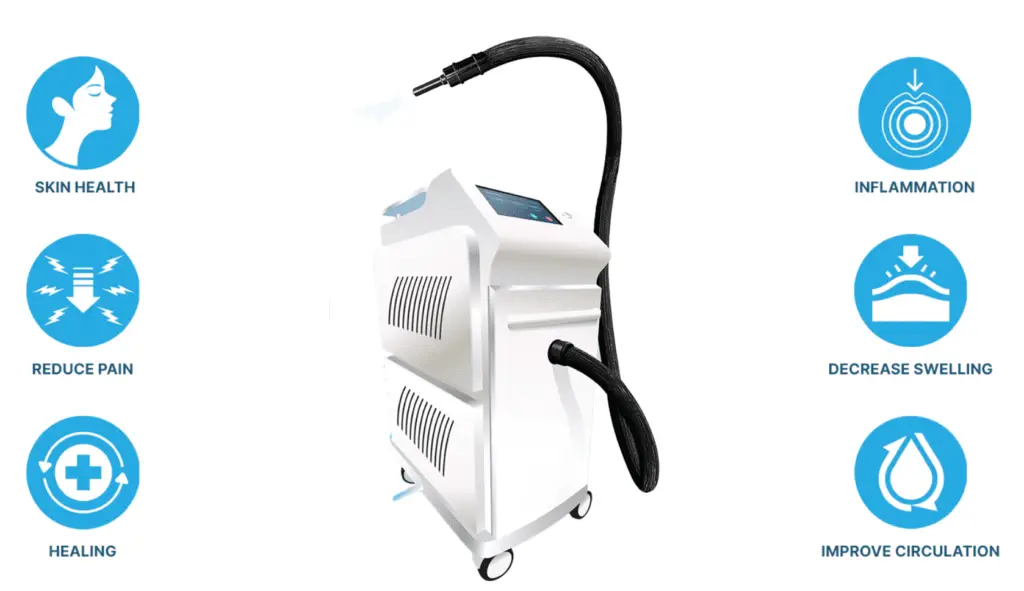
Advanced Iso-Cryo Therapy for Targeted Recovery
Localized Iso-Cryo therapy treatments at Exalt Recovery & Wellness are used to reduce inflammation, swelling, and chronic pain in several or targeted areas, such as the joints. This specialized iso-cryo therapy process works by applying extreme cold to stimulate the body’s natural healing mechanism in just 3 to 5 minutes.
During this short treatment time, the body supercharges the blood with anti-inflammatory proteins, endorphins, and oxygen, accelerating the rate of deep tissue repair. The cooling process also signals the brain to release endorphins and adrenaline, making the client feel wonderful and fully refreshed without having to leave home.
Injury Repair
Pain & Swelling Reduction
Skin Health
Isolated cryotherapy, also referred to as localized or spot cryotherapy, is a targeted cold therapy technique that applies extremely low temperatures (typically -100°C to -160°C) to specific areas of the body using specialized devices such as handheld cryotherapy guns, cryo chambers with localized nozzles, or nitrogen-based applicators. Unlike whole-body cryotherapy, it isolates treatment to injured or inflamed regions—such as joints, muscles, or skin lesions—without exposing the entire body. This method leverages rapid cooling to induce vasoconstriction, reduce metabolic activity in tissues, and trigger anti-inflammatory responses while minimizing systemic effects.
Mechanism of Action
The therapy works by lowering skin and subcutaneous tissue temperatures to 0–10°C for short durations (2–5 minutes per session). This constricts blood vessels to limit swelling and fluid accumulation, decreases nerve conduction velocity to provide analgesia, and stimulates the release of anti-inflammatory cytokines. Isolated application also promotes localized mitochondrial adaptations similar to those seen in other therapies, enhancing cellular resilience post-injury through modulated oxidative stress and improved microcirculation upon rewarming.
Research and Medical Findings
Clinical evidence supports isolated cryotherapy’s role in acute injury management and chronic conditions. A 2018 randomized trial in the Journal of Orthopaedic & Sports Physical Therapy demonstrated that localized cryotherapy applied at -120°C for 3 minutes to knee osteoarthritis patients reduced pain scores by 40% and improved joint function for up to 24 hours, linked to decreased synovial inflammation and prostaglandin levels. In sports medicine, a 2020 study published in Medicine & Science in Sports & Exercise found that isolated cryotherapy on exercised muscles accelerated recovery by lowering creatine kinase levels by 25% and reducing delayed-onset muscle soreness, attributed to suppressed inflammatory cascades and preserved muscle fiber integrity.
Further findings from Cryobiology (2019) highlighted its efficacy in post-surgical settings, where targeted cooling after ACL reconstruction decreased edema by 30% and opioid use by 20% compared to standard ice packs, due to more precise temperature control and deeper tissue penetration without frostbite risks. Neurological applications were explored in a 2021 Frontiers in Neurology paper, showing benefits for migraine relief when applied to the neck and temples, with 60% of participants reporting reduced attack frequency via trigeminal nerve modulation and lowered CGRP release.
For dermatological uses, research in Lasers in Medical Science (2022) on isolated cryotherapy for actinic keratosis reported clearance rates of 75–85% after 2–3 sessions, outperforming traditional methods through controlled apoptosis of abnormal cells. Overall, these studies emphasize isolated cryotherapy’s precision in delivering therapeutic hypothermia, making it valuable for rehabilitation, pain management, and targeted recovery protocols with minimal downtime.