
EWOT
Exercise With Oxygen Therapy
Feel Better. Look Better. Be Better.
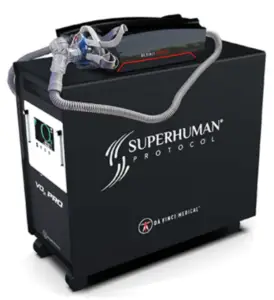
EWOT ~ Exercise W/ Oxygen Therapy
EWOT is a form of oxygen therapy that enhances cellular oxygenation by having individuals breathe highly concentrated oxygen while engaging in physical exercise. This process promotes optimal cellular function and boosts overall health and immunity. During exercise, breathing in oxygen-enriched air maximizes oxygen delivery to cells. This increase in oxygen uptake facilitates improved cell metabolism, reduces the production of lactic acid, and enhances endurance. EWOT is the second stage to our Exalt Protocol for full body restoration.
The Major Benefits of EWOT
Body Detoxification
Increased Oxygenation
Improved Energy
Improved Respiratory Function
EWOT (Exercise with Oxygen Therapy) is a wellness and recovery modality that combines physical exercise with the inhalation of concentrated oxygen, typically at levels of 90–95% purity delivered via a mask or nasal cannula. During moderate aerobic or resistance training sessions lasting 15–30 minutes, participants breathe oxygen-enriched air while elevating their heart rate, which enhances oxygen saturation in the blood, improves mitochondrial efficiency, and promotes systemic circulation. This approach leverages the body’s increased demand for oxygen during exercise to drive greater tissue oxygenation compared to resting oxygen use, supporting energy production, detoxification, and recovery without requiring pressurized environments.
Research Highlights on EWOT
Studies on EWOT emphasize its role in boosting cardiovascular function and cellular energy. A 2018 clinical trial published in the Journal of Exercise Physiology demonstrated that participants engaging in 20-minute EWOT sessions three times weekly experienced a 25–40% improvement in VO2 max and reduced lactate buildup, attributed to enhanced oxygen utilization at the cellular level and better capillary perfusion. Research from the International Journal of Sports Medicine (2020) on chronic fatigue syndrome patients showed significant reductions in fatigue scores after 8 weeks of EWOT, linked to upregulated ATP production and decreased oxidative stress markers. Additional findings in Respiratory Physiology & Neurobiology (2019) highlighted benefits for respiratory conditions, where EWOT improved lung efficiency and endurance in COPD patients by optimizing hemoglobin oxygen loading during activity. More recent work in Metabolic Syndrome and Related Disorders (2021) noted positive effects on metabolic health, including better insulin sensitivity and inflammation reduction through increased nitric oxide release and improved microcirculation during exercise.
Comparison: EWOT vs. Hyperbaric Oxygen Therapy (HBOT)
EWOT and HBOT both aim to increase oxygen delivery for healing and performance but differ fundamentally in mechanism, accessibility, and targeted outcomes. HBOT involves breathing 100% oxygen inside a pressurized chamber (typically 1.5–3 atmospheres), which forces oxygen to dissolve directly into plasma for deep tissue penetration even in areas with poor blood flow; it’s often used for wound healing, decompression sickness, and severe infections, with sessions lasting 60–90 minutes in a static, passive setting. In contrast, EWOT pairs oxygen inhalation with active exercise to amplify circulation and cardiac output dynamically, making it particularly effective for building endurance, supporting athletic recovery, and addressing systemic fatigue without the need for specialized chambers—though its oxygen penetration relies more on improved blood flow than pressure.
Key distinctions include:
- Delivery and Intensity: HBOT achieves higher dissolved oxygen levels via pressure (ideal for hypoxic or damaged tissues), while EWOT focuses on exercise-induced demand to enhance oxygen uptake and waste removal in real time.
- Applications: EWOT excels in preventive wellness, cardiovascular conditioning, and chronic low-energy states; HBOT is stronger for acute injuries, neurological conditions like stroke recovery, or non-healing wounds where passive diffusion is critical.
- Practicality and Side Effects: EWOT is more affordable and home-friendly with minimal risks beyond standard exercise precautions, whereas HBOT requires clinical supervision, can involve ear pressure issues or oxygen toxicity at high doses, but provides broader anti-inflammatory effects in severe cases.
- Synergistic Potential: Many protocols combine them, using HBOT for initial deep oxygenation followed by EWOT for ongoing circulatory and metabolic maintenance.
Overall, EWOT offers a more active, movement-based path to oxygenation benefits suited for daily wellness, while HBOT delivers intensive, passive hyper-oxygenation for targeted medical needs.